What Is the Realistic/Lifelike Plushy Style?
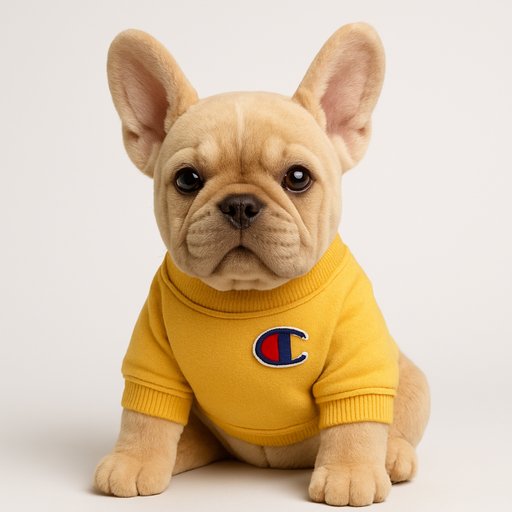
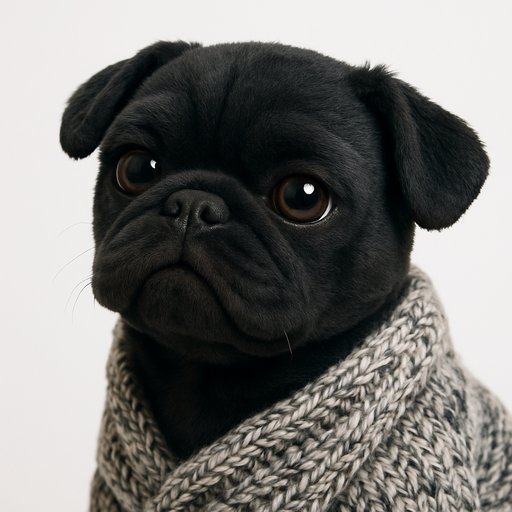
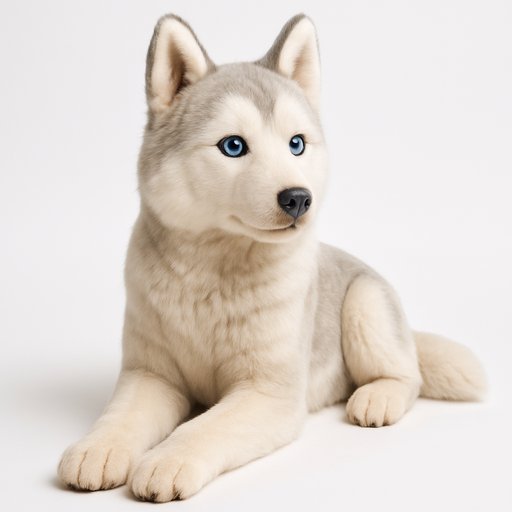
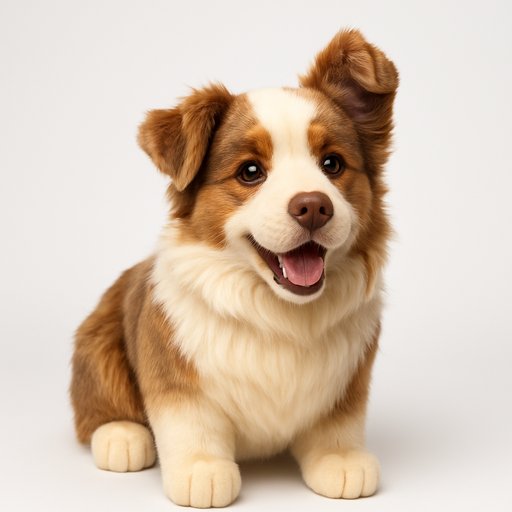
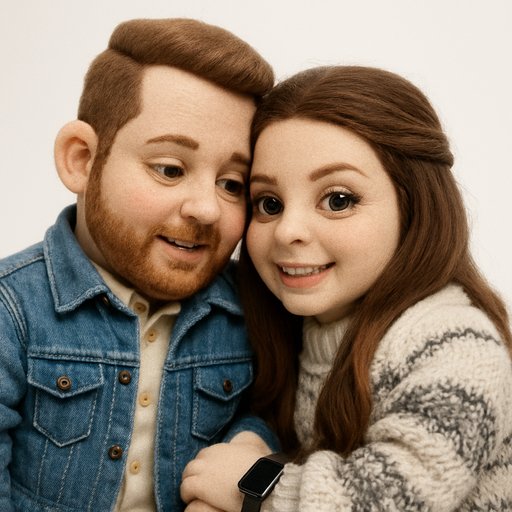
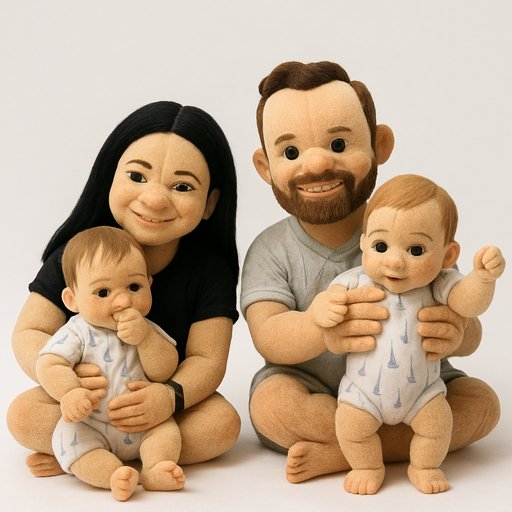
Among all the plushy styles available on Plushy.app, the Realistic/Lifelike style occupies a truly singular space. It doesn't aim to cartoonify your photos or reduce them to cute caricatures. Instead, it does something far more ambitious, it reimagines your subject as a hyper-realistic plush version of itself, one so meticulously detailed that viewers genuinely struggle to tell whether they're looking at a living subject or an impossibly well-crafted stuffed creation. This is the style that bridges the uncanny valley between toy and reality, and the results are nothing short of mesmerizing.
What makes this style distinctive is its commitment to believability. Every transformation preserves the essential identity of the original subject, the specific curve of a smile, the exact pattern of a pet's fur markings, the characteristic tilt of a head, while rendering it entirely in soft, plush fabric. The effect is simultaneously familiar and surreal, like stepping into a world where master artisans spent hundreds of hours handcrafting a single stuffed figure designed to perfectly replicate someone you know and love.
Visual Characteristics: Texture, Color, and Detail
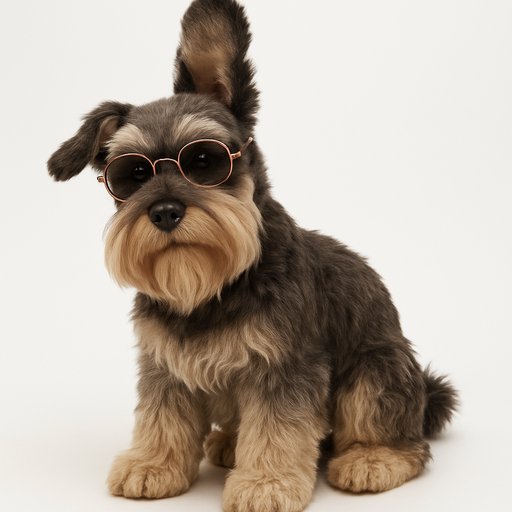
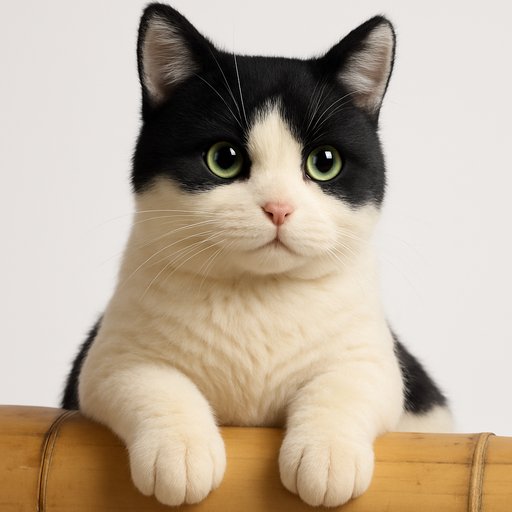
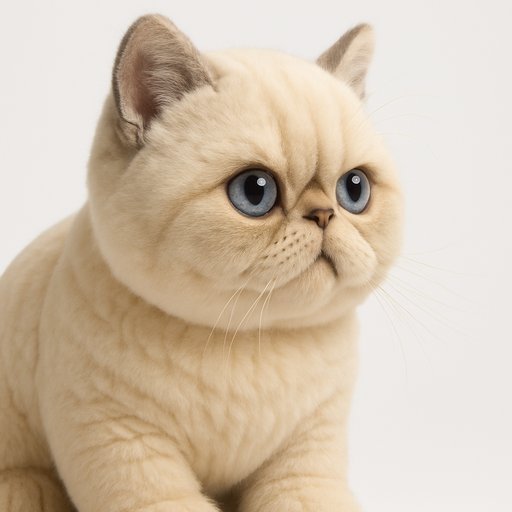
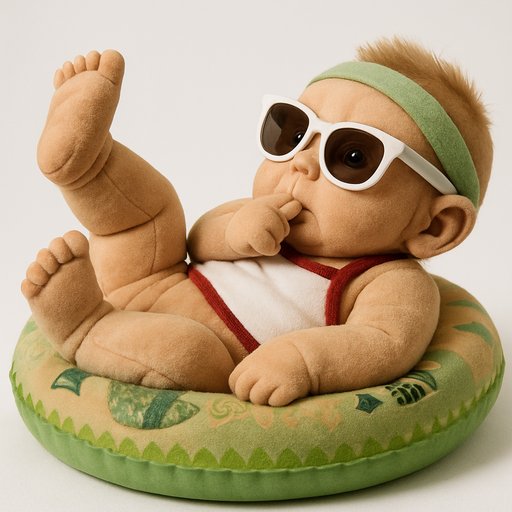
The hallmark of the Realistic/Lifelike style is its extraordinary attention to surface texture. Subjects are rendered in ultra-detailed airbrushed soft fabric that carries a subtle, velvety sheen. You can almost feel the material through the screen, dense, short-pile plush for skin, silkier threads for hair, and slightly varied fabric weaves to distinguish clothing, accessories, and background elements. Nothing looks flat or painted on. Every element has genuine textile dimension.
Colors in this style remain remarkably true to the original photo. Skin tones retain their natural warmth and variation. Eyes carry a lifelike glossiness, often appearing as perfectly set glass or resin pieces embedded into the plush face with startling precision. Hair maintains its original color and flow, translated into fine, carefully stitched or implanted fibers that follow the natural direction of the source image. Even subtle details like freckles, eyebrow shape, and the shadow beneath a jawline are faithfully reproduced in fabric form.
The Realistic/Lifelike style doesn't just turn your photo into a stuffed toy, it elevates it into a plush masterpiece so detailed you'll want to reach through the screen and pick it up.
Proportions stay remarkably faithful to reality as well. Unlike styles that exaggerate heads or shrink bodies for a cute effect, the Realistic/Lifelike approach maintains anatomically accurate ratios. A person's build, posture, and stance are all preserved. This grounding in real proportions is precisely what makes the plush effect so uncanny and impressive, your brain recognizes everything as correct, yet simultaneously registers that the entire subject is made of fabric.
What Types of Photos Work Best
This style thrives on clarity and detail. Well-lit portrait photos with sharp focus produce the most stunning results, because the AI has rich detail to translate into textile form. Headshots and upper-body portraits are particularly effective, as the intricate work on facial features really gets a chance to shine. Pet photos, especially close-ups of dogs and cats, yield some of the most breathtaking transformations, since fur translates naturally into plush fabric.
Photos with clean, uncluttered backgrounds tend to perform beautifully, keeping the focus squarely on the subject. That said, environmental portraits can also produce remarkable results, with background elements like furniture or foliage rendered in complementary plush textures that complete the illusion of an entirely fabric world.
Why People Love It
The Realistic/Lifelike style resonates so deeply because it taps into something emotional. Seeing yourself, your child, or your pet transformed into what looks like a lovingly handcrafted plush figure triggers an immediate sense of warmth and tenderness. It makes the subject feel precious, literally like something you'd want to hold and protect.
People share these images constantly because they stop the scroll. The visual tension between "this looks real" and "this is clearly a stuffed toy" creates an irresistible double-take moment. It's also become a favorite for memorial portraits of beloved pets, sentimental gifts between partners, and parents capturing their children in a form that feels timeless and cherished. In a world saturated with digital filters, the Realistic/Lifelike plushy style offers something that feels tangible, handmade, and deeply personal, even though it's generated in seconds.