What Is the Blind Box/Mystery Toy Style?
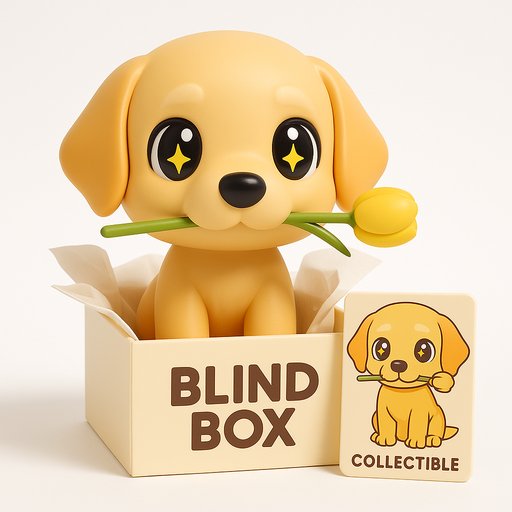
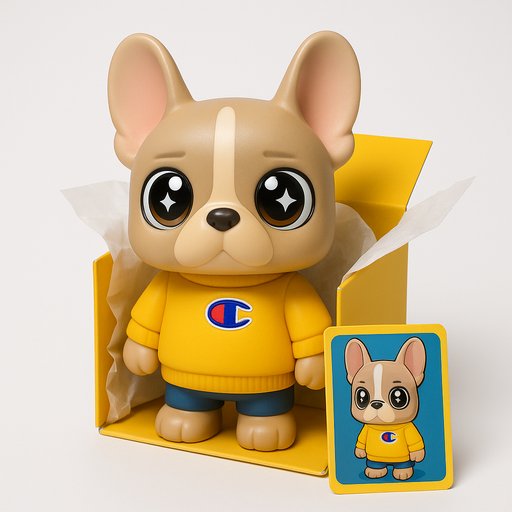
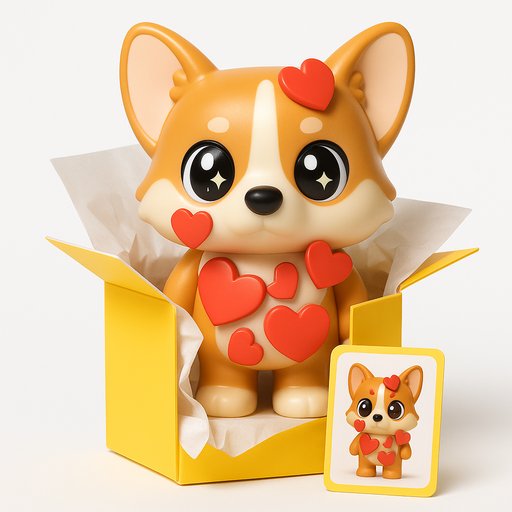
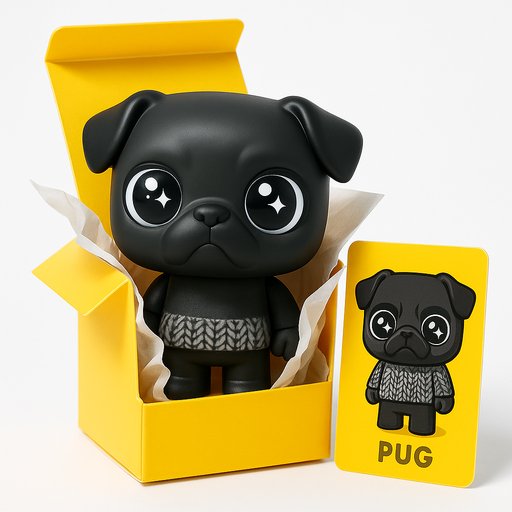
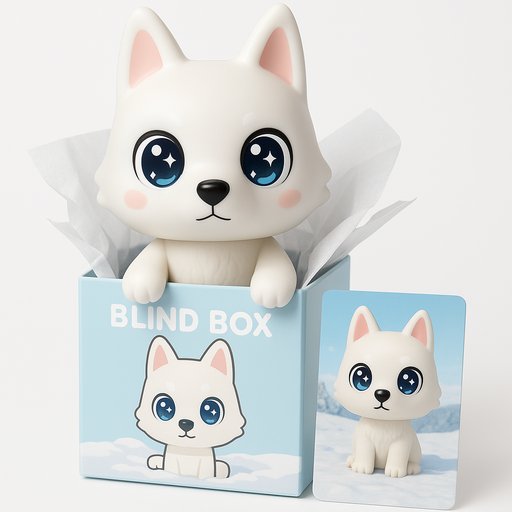
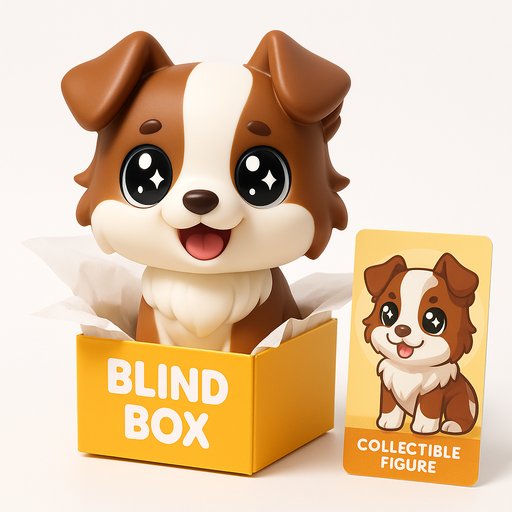
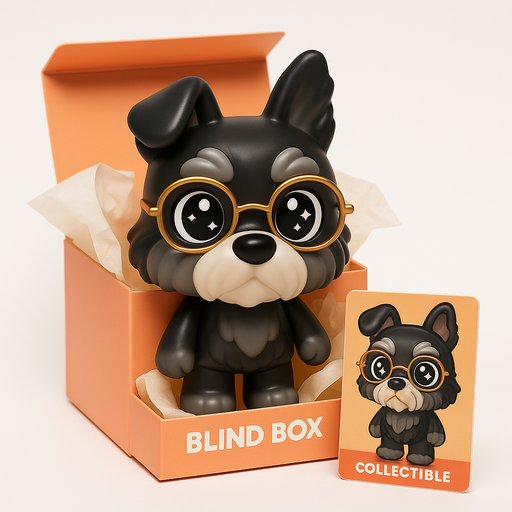
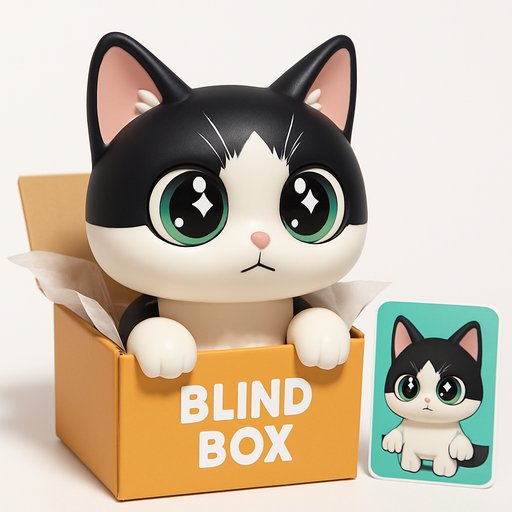
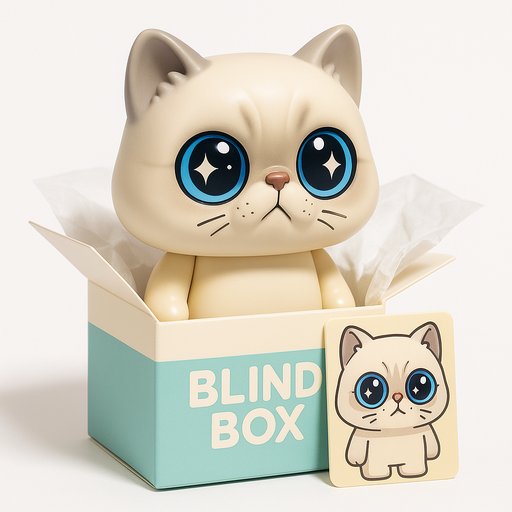
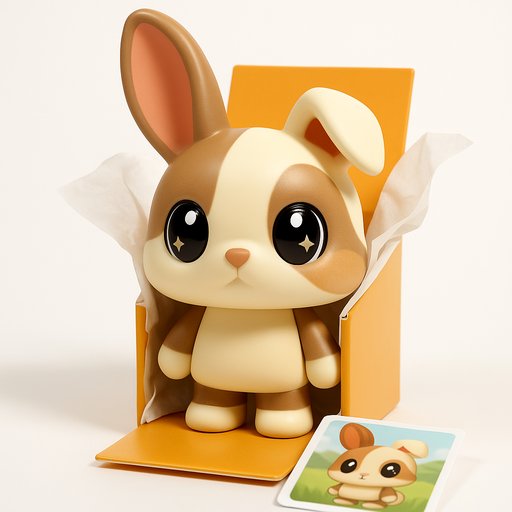
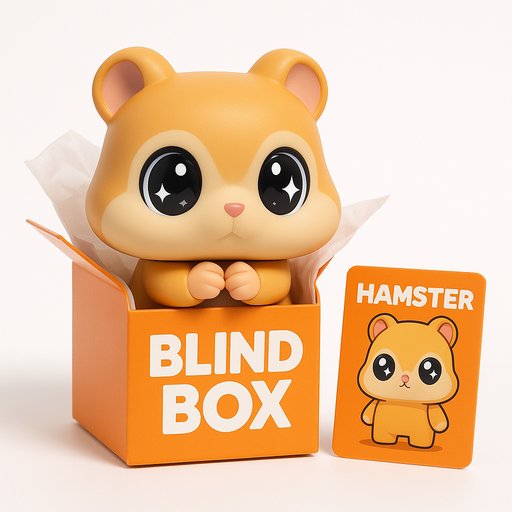
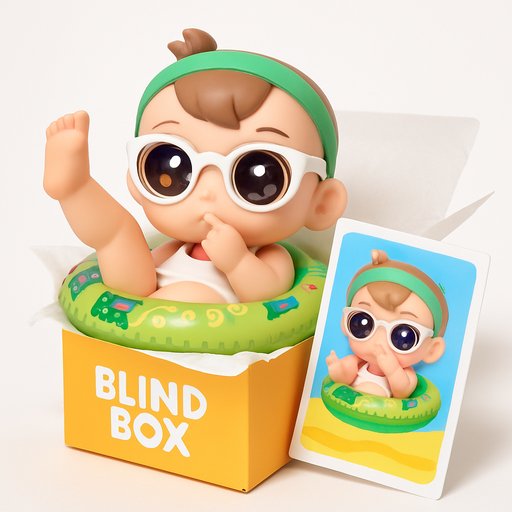
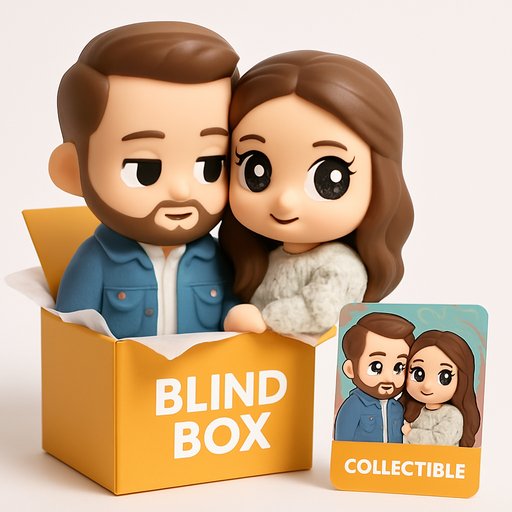
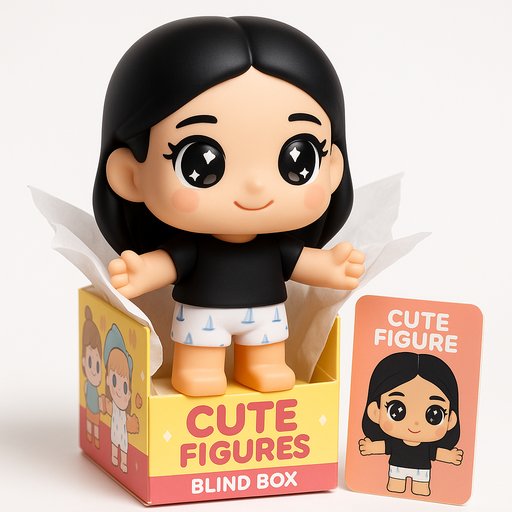
If you have ever wandered past a wall of colorful mystery boxes in a toy store or scrolled through endless unboxing videos online, you already know the magnetic charm of blind box collectibles. Brands like Pop Mart, Sonny Angel, and Labubu have turned miniature designer figures into a global phenomenon, and now Plushy.app lets you transform any photo into one of these coveted collectible characters. The Blind Box/Mystery Toy style reimagines your subject as a semi-glossy vinyl figure with an oversized head, tiny body, and the unmistakable aura of something you would find nestled in tissue paper inside a sealed, pastel-colored box.
What makes this style truly distinctive is the way it straddles the line between mass-produced toy and handcrafted art piece. Every figure feels like it belongs to a limited-edition series, complete with the kind of meticulous surface detail that collectors obsess over. It is not just a cartoon version of your photo, it is a fully realized product that looks like it could sit on a shelf next to your favorite Molly or Dimoo figurine.
Visual Characteristics: Textures, Colors, and Proportions
The hallmark of this style is proportion. Heads are dramatically oversized, roughly 60 percent of the figure's total height, creating an instant cuteness factor rooted in the Japanese kawaii tradition. Bodies are compact and stubby, with simplified limbs that taper into rounded hands and feet. The effect is something between a chibi character and an actual injection-molded toy.
Surfaces play a starring role. The body features a semi-glossy smooth vinyl finish that catches light in soft, controlled highlights, while the face shifts to a gentle matte texture that draws attention to the expression. Eyes are large, glassy, and reflective, often with a subtle crescent sparkle that suggests a living soul trapped inside a plastic shell. Skin tones lean toward creamy, slightly desaturated hues, porcelain-like rather than photorealistic.
Color palettes tend to be curated and harmonious, echoing the carefully art-directed boxes these figures would hypothetically ship in. Pastels, warm neutrals, and occasional pops of saturated accent color keep each figure feeling cohesive and collectible. Clothing and accessories are rendered with just enough sculptural detail to read clearly at a small scale, mimicking the subtle seam lines and painted-on textures of real vinyl toys.
It is the only style that makes you want to reach through the screen, pick the figure up, and place it on your desk next to your real collection.
What Types of Photos Work Best
This style thrives on clear, well-lit portraits, especially headshots and upper-body photos where the subject's face is fully visible. Because the oversized head is the centerpiece, the AI needs strong facial detail to translate features into that signature sculpted look. Solo subjects work better than group shots, and simple or uncluttered backgrounds allow the figure to pop as though it has been photographed on a product backdrop.
That said, the style is surprisingly versatile. Photos of pets, babies, couples, and even full-body action shots can produce delightful results. People wearing distinctive outfits, uniforms, or costumes give the algorithm rich material to work with, resulting in figures that feel like themed series entries, a chef edition, a graduation edition, a wedding edition. The more personality in the source photo, the more character the final figure exudes.
Why People Love It
There is a deep psychological appeal at work here. Blind box culture taps into nostalgia, the thrill of surprise, and the human desire to collect and curate. When you see yourself rendered as a designer toy, it triggers a rush of delight that a standard filter simply cannot replicate. You are no longer just a person in a photo, you are a limited-edition collectible, rare and worth displaying.
The style is also inherently shareable. These figures look like real product photography, which means they stop thumbs mid-scroll on social media. Friends tag each other, couples create matching sets, and parents turn their kids into entire miniature toy lines. It is personal, playful, and endlessly giftable, whether you print it as a sticker, frame it as art, or simply set it as your profile picture.
In a world saturated with AI art styles, the Blind Box/Mystery Toy style stands out because it transforms you into something tangible, collectible, and undeniably adorable. That is a combination that is very hard to resist.